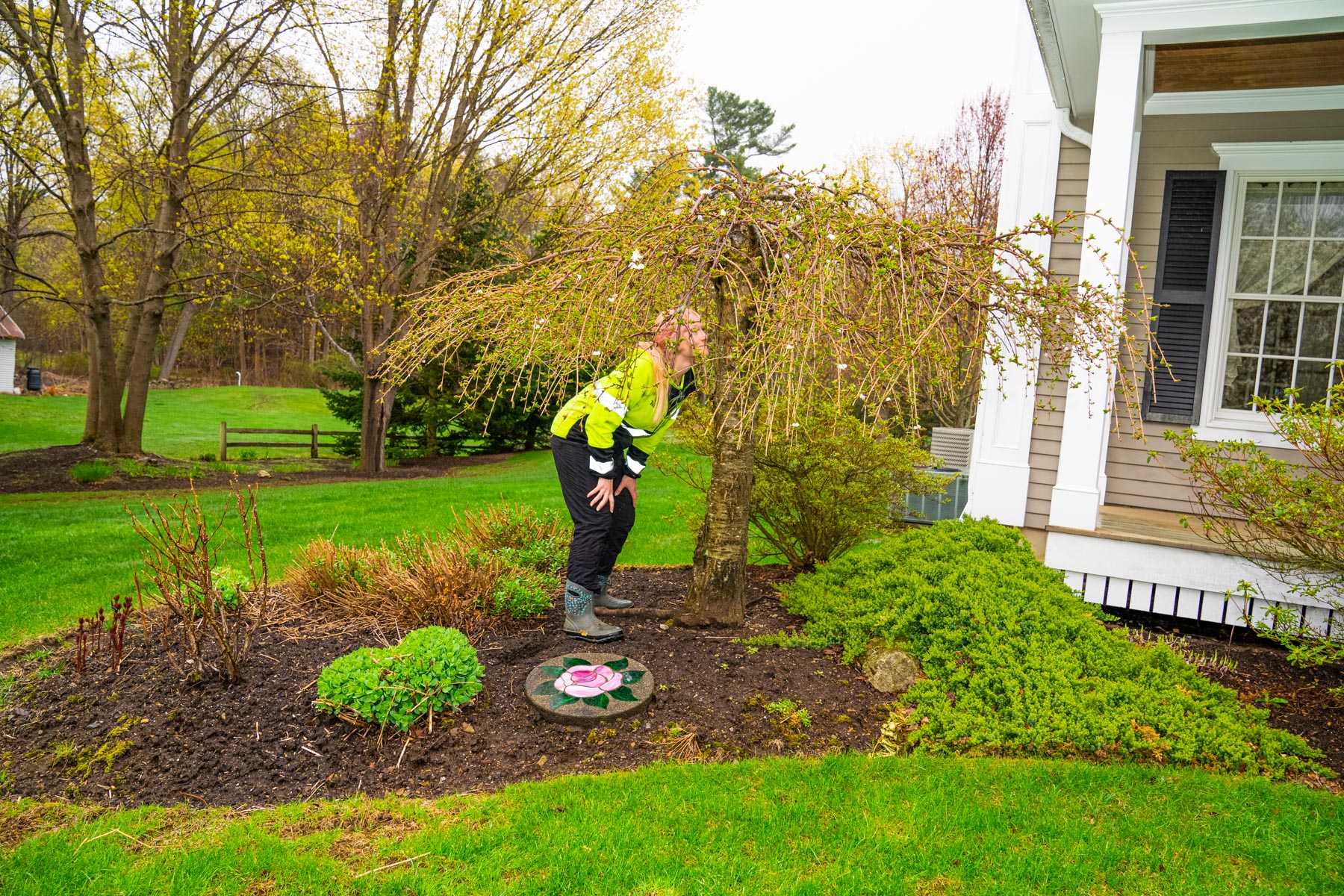
Trees are essential for a healthy environment because they provide oxygen, reduce air pollution, protect wildlife, and make outdoor spaces more attractive. They also help control soil erosion, lower surrounding temperatures, and improve the natural beauty of our communities. However, trees need proper care to grow successfully. With regular maintenance and suitable gardening techniques, people can keep their trees healthy for many years.
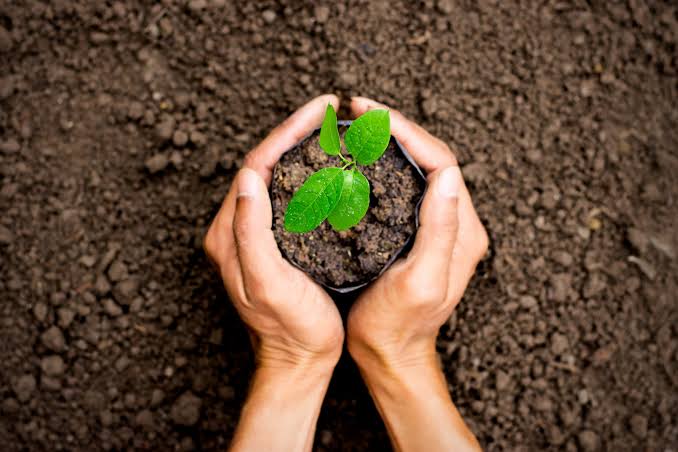
The first important step in tree care is selecting healthy plants. When purchasing a young tree, gardeners should look for strong stems, healthy leaves, and well-developed roots. Trees with damaged branches or unhealthy root systems may struggle after planting. Choosing native tree species is often a good option because they are generally adapted to local weather conditions and soil types.
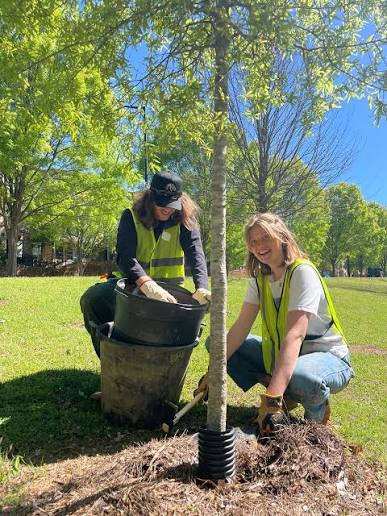
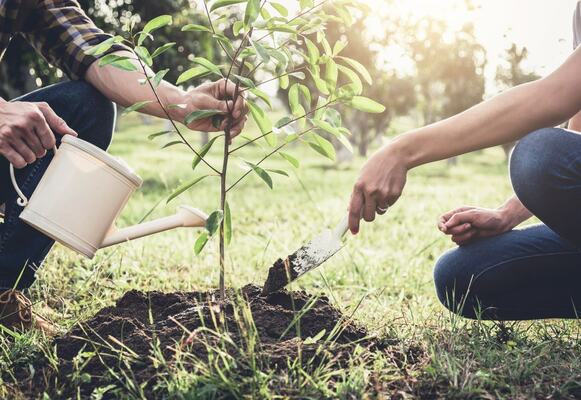
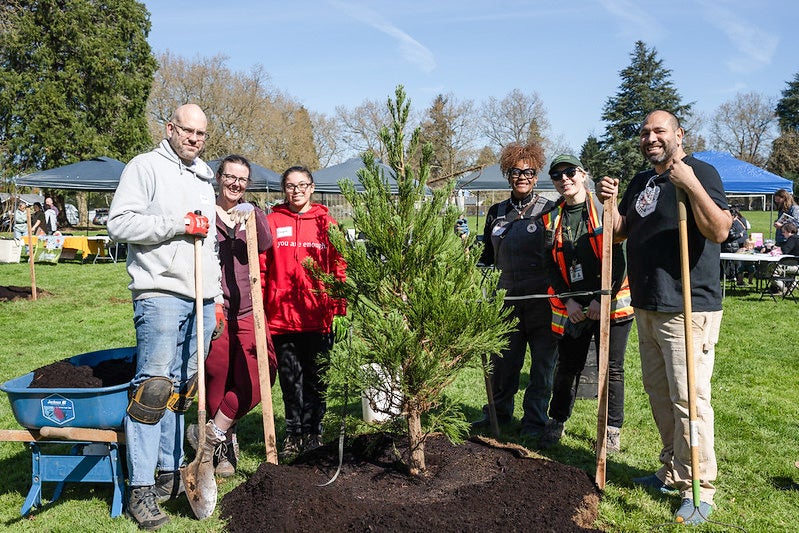
Preparing the planting area correctly is equally important. The soil should provide enough space for roots to spread naturally. Before planting, gardeners should remove weeds, stones, and unwanted materials from the area. A suitable planting hole should be wide enough to accommodate the root system without bending or crowding the roots. The tree should be planted at the correct depth to prevent problems with its trunk and roots.
Water management is another essential part of maintaining healthy trees. Newly planted trees need regular watering while their roots become established. During dry periods, deep watering helps moisture reach the lower soil layers. Gardeners should monitor soil conditions rather than following a fixed watering schedule. This prevents unnecessary water waste and reduces the risk of root problems.
Fertilizing can also support tree development when nutrients are lacking. Organic compost is a useful option for improving soil quality. However, applying too much fertilizer can encourage excessive growth and damage roots. It is better to understand the soil’s condition before adding additional nutrients.
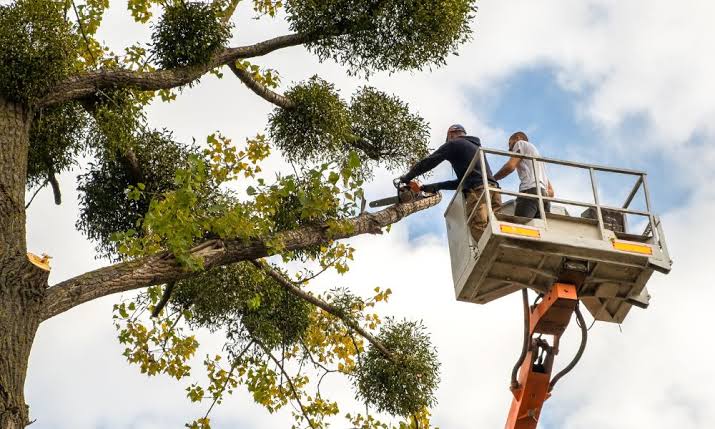
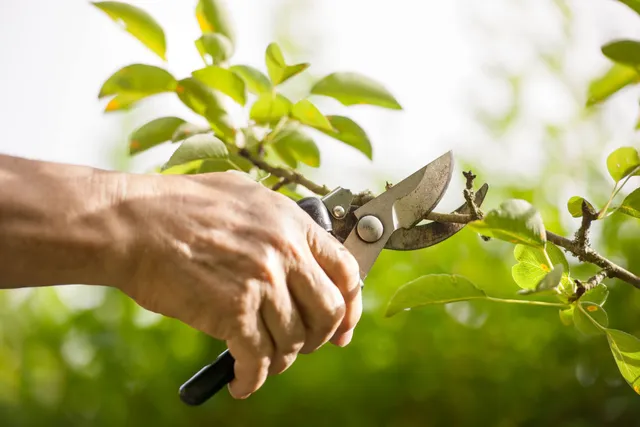
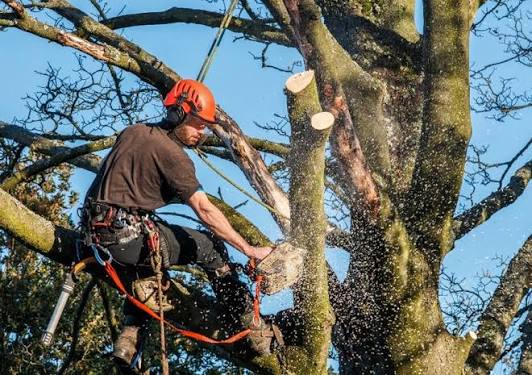
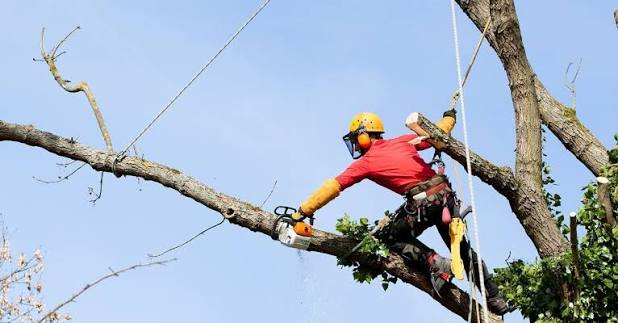
Regular pruning helps maintain a strong tree structure. Removing dead, diseased, and broken branches improves safety and supports healthy growth. Proper pruning also allows sunlight to reach more of the tree’s canopy. The best pruning time depends on the tree species and local climate. Large branches should be handled by trained professionals to avoid accidents.
Another useful technique is protecting trees from common pests. Gardeners should regularly check leaves, stems, and bark for signs of insect damage. Removing affected plant material and maintaining good growing conditions can help reduce pest problems. When necessary, environmentally responsible pest-control methods should be considered.
Mulching is also beneficial because it protects the soil and helps conserve moisture. Materials such as shredded bark, wood chips, and dry leaves can be spread around the root area. Mulch should not touch the trunk because constant moisture against the bark can encourage decay.
In addition, trees need protection from human activities. Construction, unnecessary digging, and careless use of gardening equipment can damage important roots. Keeping heavy vehicles and materials away from the root zone helps prevent soil compaction.
In conclusion, smart tree care involves proper planting, balanced watering, healthy soil, careful pruning, and regular inspections. These practices help trees develop strong roots and healthy branches. By giving trees the attention they deserve, we can protect natural resources, improve our surroundings, and build a greener future for coming generations.